

SAL
Sustainable Agriculture of Louisville
Garden work parties! Thursdays 5:30-7pm during the growing season with Stephen
Register/RSVP for Work Parties by call/text/email with the contact info noted below
Donate to Sustainable
Agriculture of Louisville


click HERE to learn more about the impact of your donation
ABOUT
We aim to create a joyous, diverse, and sustainable community of well-nourished people and well-compensated farmers and food workers.
One of our a-maiz-ing initiatives is the annual planting of the 3 sisters crops (corn, beans, and squash). These plantings are at various farms and gardens in and near Louisville and nourish our members and partners, as with annual Nixtamal (Hominy-Tortilla) Festivals.
Family-friendly gardening parties (first launched in 2024) are offered to families with children (of all ages) and adult gardeners or gardener-novices to learn gardening in a volunteer group setting, while enjoying exercise, and share in weekly harvests of produce. Donations welcome but not required!

Another initiative is Garden Camp, which takes place in Jun3. With 15-20 campers, age 7-12, we tell stories, garden, cook lunch, process other delicious food, play games, and swim.
To learn more about Garden Camp, click here.
Due to an un-anticipated obstacle-- the impending May 24-Labor Day closure of the Mary T. Maugher Aquatic Center for repairs-- and failed attempts to find an alternative swimming pool for after-lunch camp swimming sessions (an important draw for the camp and joy/relief for the campers), it has been decided to cancel the week-long summer gardening camps for the 2025 season, hoping to revive them for June, 2026 for kids 7 years of age and up.

Medicinal Crops
SAL works with a diverse group of Louisvillian farmers who come from different countries around the world. These farmers tend to grow medicinal and niche crops that do well in Louisville's humid climate. These crops are used in healing and wellness capacities, as flavoring to dishes, and as culturally significant food to the region's immigrant and refugee population.
SAL supports the marketing and sale initiatives of the farmers in order to increase farmer revenue and provide the greater Louisville community access to these amazing crops. This comes with a public educational component as well in order to support community members' embodiment of the value that Food truly is Medicine!
African Nightshade
Solanum nigrum
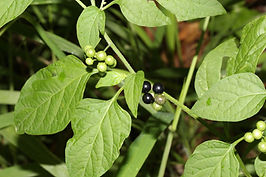
Countries of Origin: Euroasia
Other Common Names: Isogo (Burundi), Mnavu (Swahili), Kalaloo (India)
Anecdote: the Burundian name 'isogo' means 'grandpa leaf' as this vegetable, when eaten regularly, has a reputation of not only strengthening general immunity but also restoring reproductive potency to 'grandpas'.
Medicinal and Nutritional Uses and Benefits
-
Strengthening the immune system
-
Combating anemia
-
Easing symptoms of diabetes
-
Treating cervix cancer (China)
-
Tonic support for the human reproductive system
Amaranth
Amaranthus
How to Prepare
-
Boil or sauté leaves to add to vegetable or meat dishes
-
The mature berries of some varieties, if not cooked, can reportedly be toxic. Even brief cooking detoxifies the berry.
Countries of Origin: Central America
Other Common Names:
Calaloo (Carribean), Aleho (Nigeria),
Rau Den (Vietnam), huāuhtli (Aztec name)
Growing Anecdotes:
-
The nutrient density of amaranth is illustrated by insects, which famously eat holes in the leaves
-
Amaranth ("pigweed") (with or without thorns) is known to KY farmers as a weed.
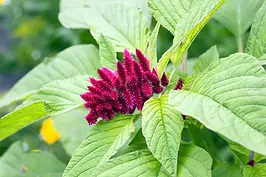
Medicinal and Nutritional Uses and Benefits
-
Rich source of Vitamin A, C and minerals such as calcium and manganese
-
Moderate levels of folate, iron, magnesium and potassium
-
Seeds (quinoa) are a form of protein
How to Prepare
-
Boil or sauté leaves to add to vegetable or meat dishes
-
The mature seed (quinoa) can be used as a grain
Bitter Melon
Momordica Charantia
Countries of Origin: Africa, Asia
Other Common Names: Bitter gourd,
Balsam apple
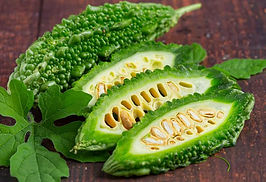
Medicinal and Nutritional Uses and Benefits
-
Regular eating reportedly allows diabetes sufferers to lower blood sugar spikes
-
Acts as an antioxidant. Bitter melon is antibacterial and antifundal
-
Improves digestion
-
Reduces inflammation
-
Reportedly helps with weight management and liver health
How to Prepare
-
The gourd is typically cooked in oil (benefits come with fat solubility)
-
It is encouraged to start one meal every few days with bitter melon to observe how one feels and what improvements might come
Lambs Quarters
Chenopodium Album
Countries of Origin: Africa, Asia
Other Common Names: Goosefoot.
The name is said to derive from the preparation of leafy stews during lamb festivals in the British Isles.
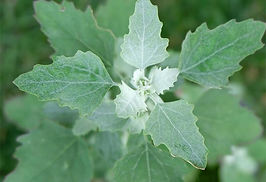
Medicinal and Nutritional Uses and Benefits
-
When cooked and eaten, lambs quarters' leaves have 50% nirore protein than kale
-
Seeds are a source of protein
How to Prepare
-
Sautee leaves to enhance flavor and serve with vegetable or meat dishes
-
Seeds can be used to make high protein porridge